✦ Inset 2025 · Teach to Transform ✦
Today's inset unfolded in a structured and purposeful manner under the theme "Teach to Transform: Practical Pedagogies for Impactful Learnings." It began with an energizing Zumba activity, followed by formal opening protocols, which included the invocation and the singing of the national anthem. The School Executive Officer, Sir Brigido Dubao, reminded educators to anchor their vocation in faith and to reflect Christ-like values in their teaching, emphasizing that losing sight of this foundation means losing one's place in the educational community.
Afterwards, Dr. Therese Grail C. Lawagan, the Dean of Academic Affairs, highlighted the importance of first impressions, noting that the first day of the school year sets the psychological tone for student engagement. In her welcome remarks, she underscored four key principles: teaching as a vocation of transformation, the necessity of applied learning, embodying institutional values, and recognizing that small classroom changes can yield profound impact.
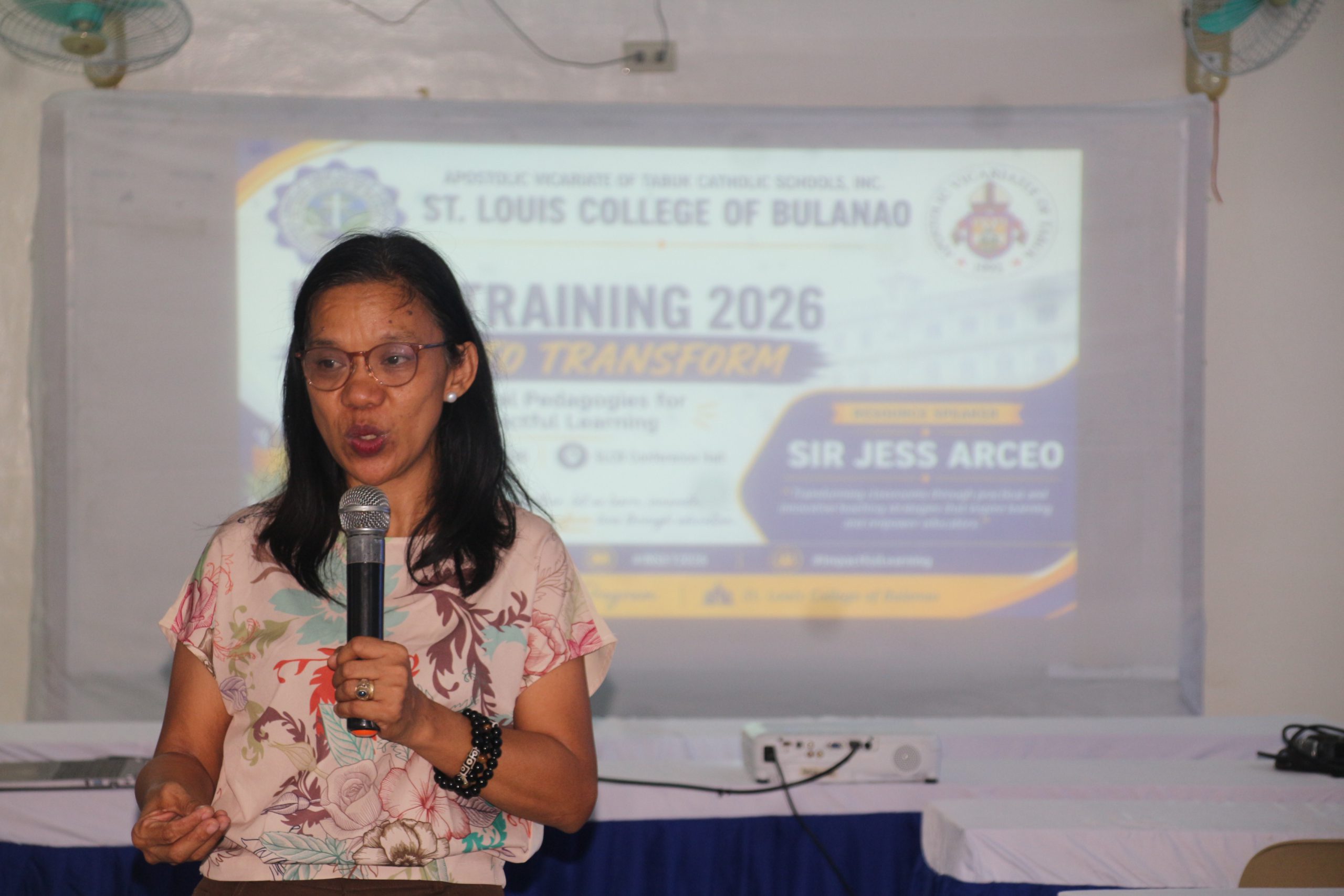
The core session, led by Sir Jess Arceo, invited teachers to reflect on the question "Why do you teach?" Responses consistently pointed to the transformative purpose of education—guiding students to apply knowledge in real life and shaping their growth beyond subject matter. He also emphasized how experiences, reflection, and even simple words from mentors can leave lasting influence on the learners. Further, he added that teachers acknowledged the paradigm shift toward learner-centered approaches, while also recognizing the need for authoritative guidance.
As educators nowadays, there are pressing challenges that need to be addressed such as poor critical thinking, low participation, short attention spans, and teacher exhaustion. Thus, strategies were proposed to counter these issues: redesigning assessments to resist AI-generated responses by tying the students to personal contexts, embedding meaning into lessons to improve retention, and adopting active learning structures. A memorization exercise demonstrated how contextualized narratives significantly enhance recall, reinforcing the principle that "whoever does the thinking, does the learning."
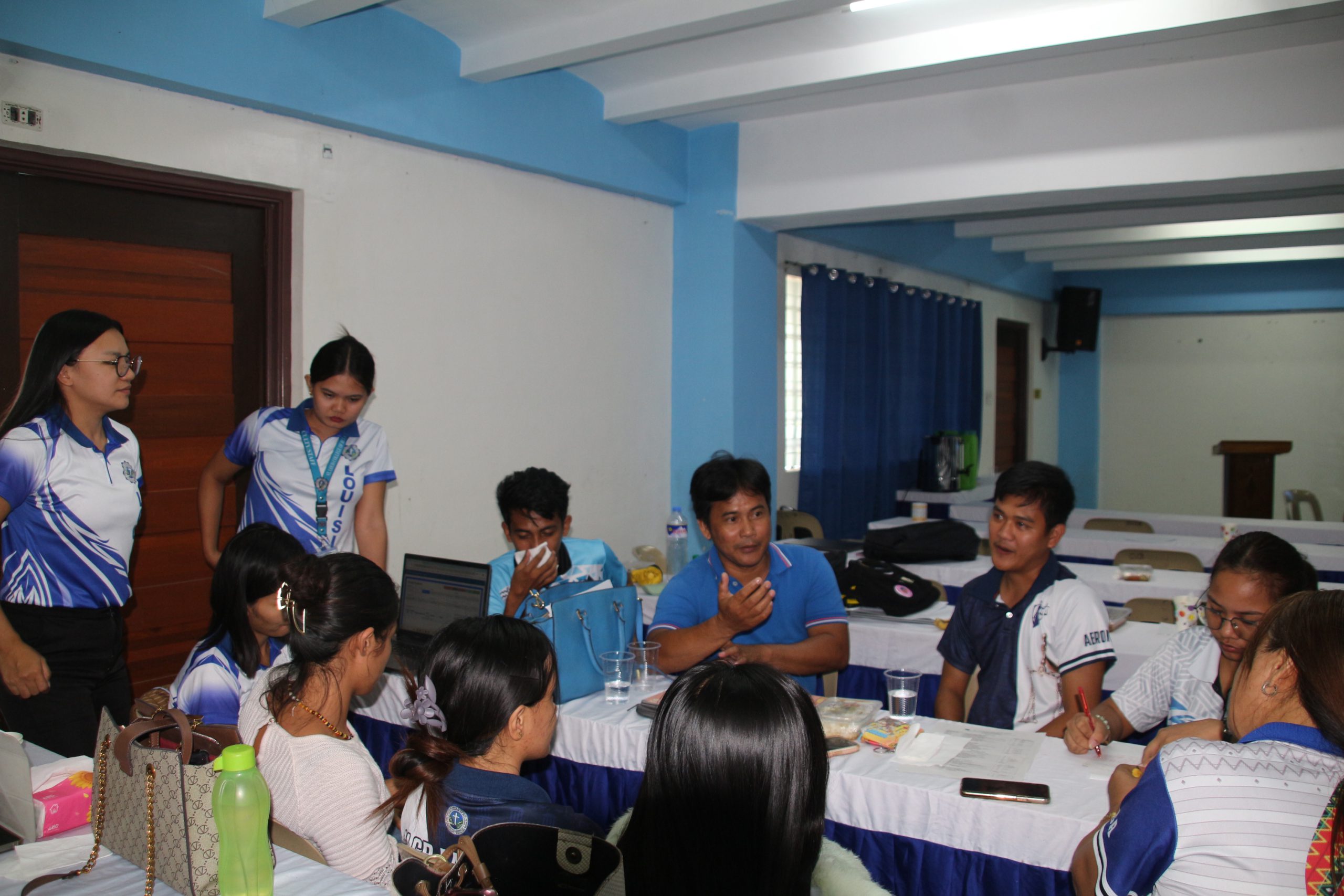
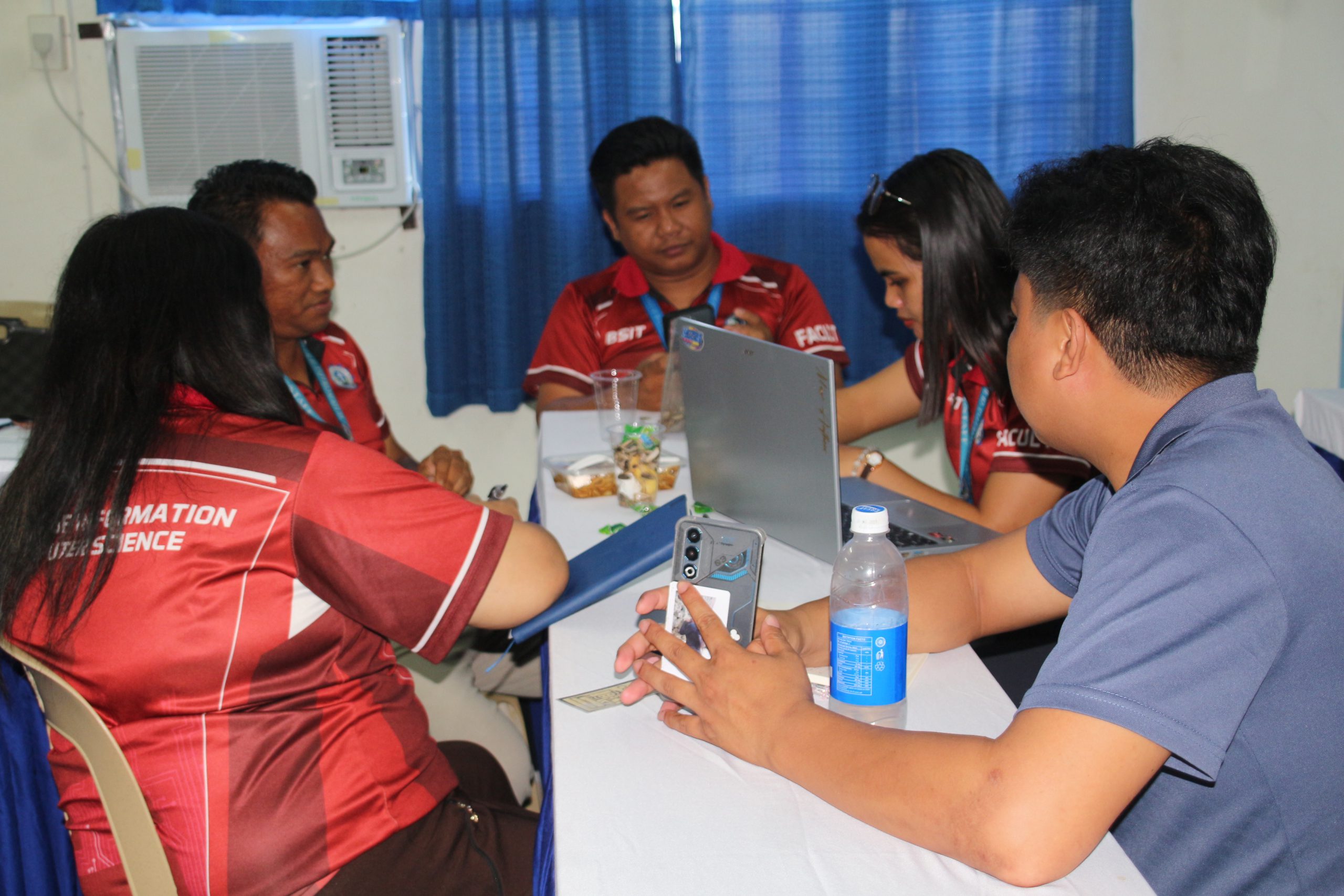
Finally, practical pedagogies were explored, ranging from inquiry-based learning to collaborative, problem-based, and reflective approaches. Techniques such as jigsaw activities, peer teaching, group investigations, and structured reflection frameworks were emphasized as tools to deepen understanding and promote transformation.
In a nutshell, this inset highlighted teaching as a vocation rooted in faith and transformation, stressed the importance of first impressions and reflective practice, and provided concrete strategies such as active, inquiry-driven, collaborative, and problem-based methods that empower learners to apply knowledge meaningfully and grow as individuals.